Created by Paul Bargetto and Michael Rubenfeld

Performed by Michael Rubenfeld

Written by Piotr Armionowski


Part of Aurora Nova Edinburgh 2026 season


Venue: Zoo Playground 2

Dates: 7-30 August
(no performances 10, 17, 24, 31)

Time: 11:50 (60 mins)
First review date: 9 August


Created by Paul Bargetto and Michael Rubenfeld

Performed by Michael Rubenfeld

Written by Piotr Armionowski


Part of Aurora Nova Edinburgh 2026 season


Venue: Zoo Playground 2

Dates: 7-30 August
(no performances 10, 17, 24, 31)

Time: 11:50 (60 mins)
First review date: 9 August


What price are you willing to pay for your dream?

What price are you willing to pay for your dream?

A foray into the human condition, cyclical violence, and the war in Ukraine - via one single, continuous walk. 

An intensely personal and politically charged solo performance structured around a continuous walk through the streets of Kyiv, FestivALT and Teatr Trans Atlantyk present If I Had A Gun, I’d Take Them All Down - an urgent work rooted in questions of belonging, violence, displacement, brutality, responsibility, and the pursuit of dreams under extreme conditions, created by Paul Bargetto and Michael Rubenfeld, written by Piotr Armionowski

A foray into the human condition, cyclical violence, and the war in Ukraine - via one single, continuous walk. 

An intensely personal and politically charged solo performance structured around a continuous walk through the streets of Kyiv, FestivALT and Teatr Trans Atlantyk present If I Had A Gun, I’d Take Them All Down - an urgent work rooted in questions of belonging, violence, displacement, brutality, responsibility, and the pursuit of dreams under extreme conditions, created by Paul Bargetto and Michael Rubenfeld, written by Piotr Armionowski

Blending personal confession, dark humour, political reflection, emotional release, and documentary narrative, If I Had A Gun, I’d Take Them All Down is a masterclass in storytelling that asks us exactly what price we are willing to pay for our dream - and, if cyclical violence is forced onto you, is it right to reciprocate?

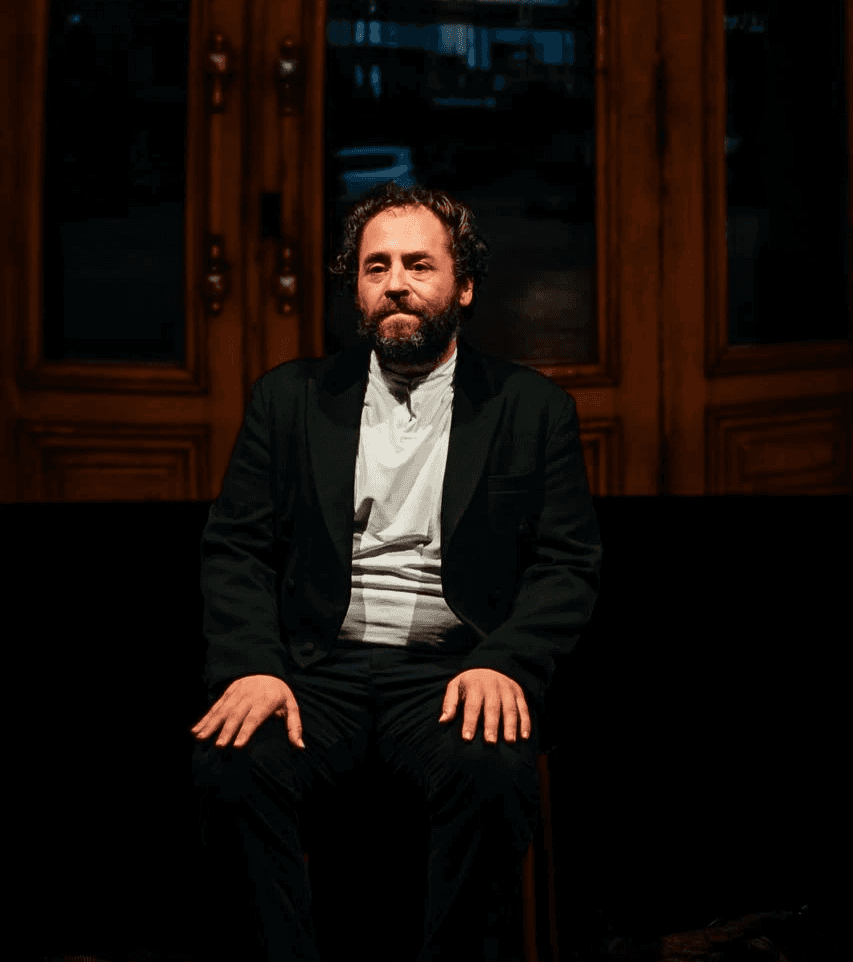
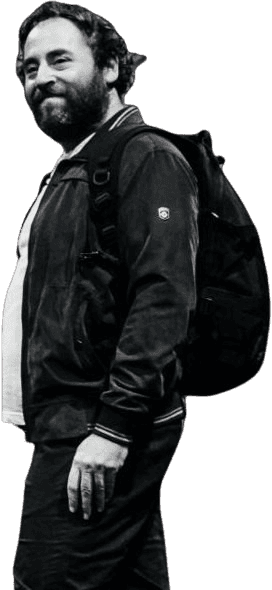
Inspired by the true story of Dmitry Bogrov, a Ukrainian-Jewish lawyer who assassinated Russian Prime Minister Pyotr Stolypin in 1911, If I Had A Gun, I’d Take Them All Down fuses immersive live performance with documentary material gathered by Ukrainian writer, artist, director, and displaced activist Piotr Armianovski. Threaded with urgency, performer Michael Rubenfeld corporeally embodies Armianovski’s walk, merging the personal with the political to explore the complex realities of power and control, conflict, idealism, Ukrainian history, Armianovski’s personal experiences of war, and the historical impact of generational violence.
Blending personal confession, dark humour, political reflection, emotional release, and documentary narrative, If I Had A Gun, I’d Take Them All Down is a masterclass in storytelling that asks us exactly what price we are willing to pay for our dream - and, if cyclical violence is forced onto you, is it right to reciprocate?

Inspired by the true story of Dmitry Bogrov, a Ukrainian-Jewish lawyer who assassinated Russian Prime Minister Pyotr Stolypin in 1911, If I Had A Gun, I’d Take Them All Down fuses immersive live performance with documentary material gathered by Ukrainian writer, artist, director, and displaced activist Piotr Armianovski. Threaded with urgency, performer Michael Rubenfeld corporeally embodies Armianovski’s walk, merging the personal with the political to explore the complex realities of power and control, conflict, idealism, Ukrainian history, Armianovski’s personal experiences of war, and the historical impact of generational violence.
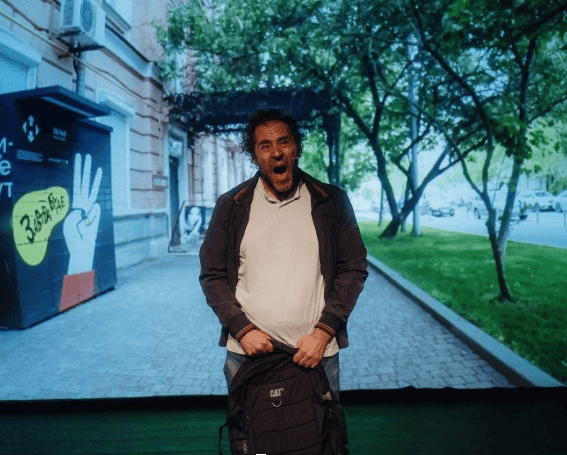
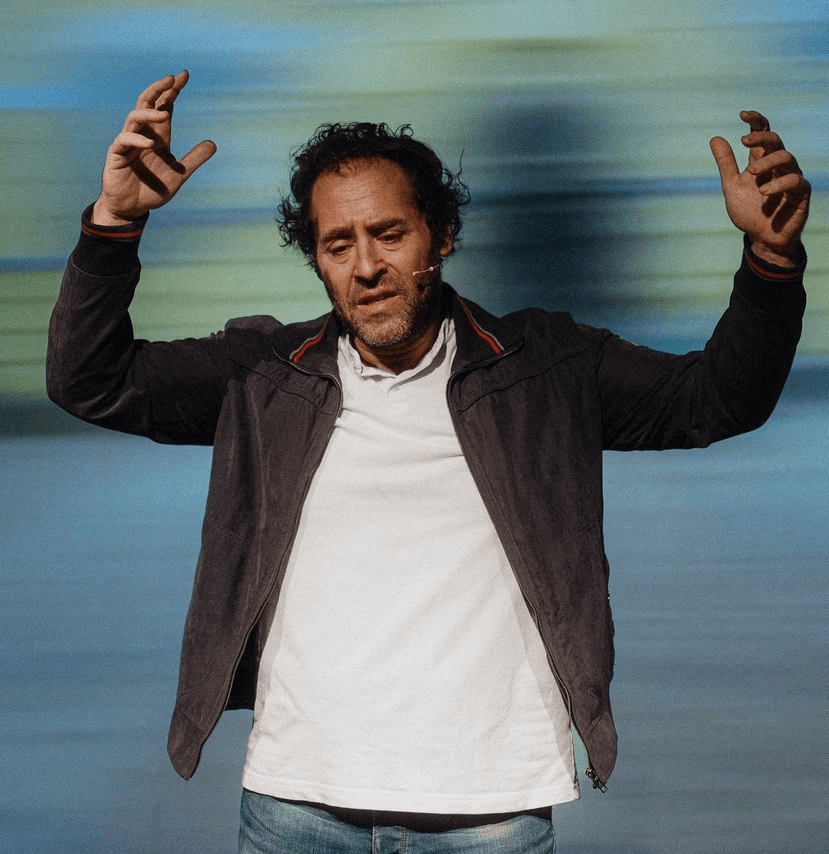
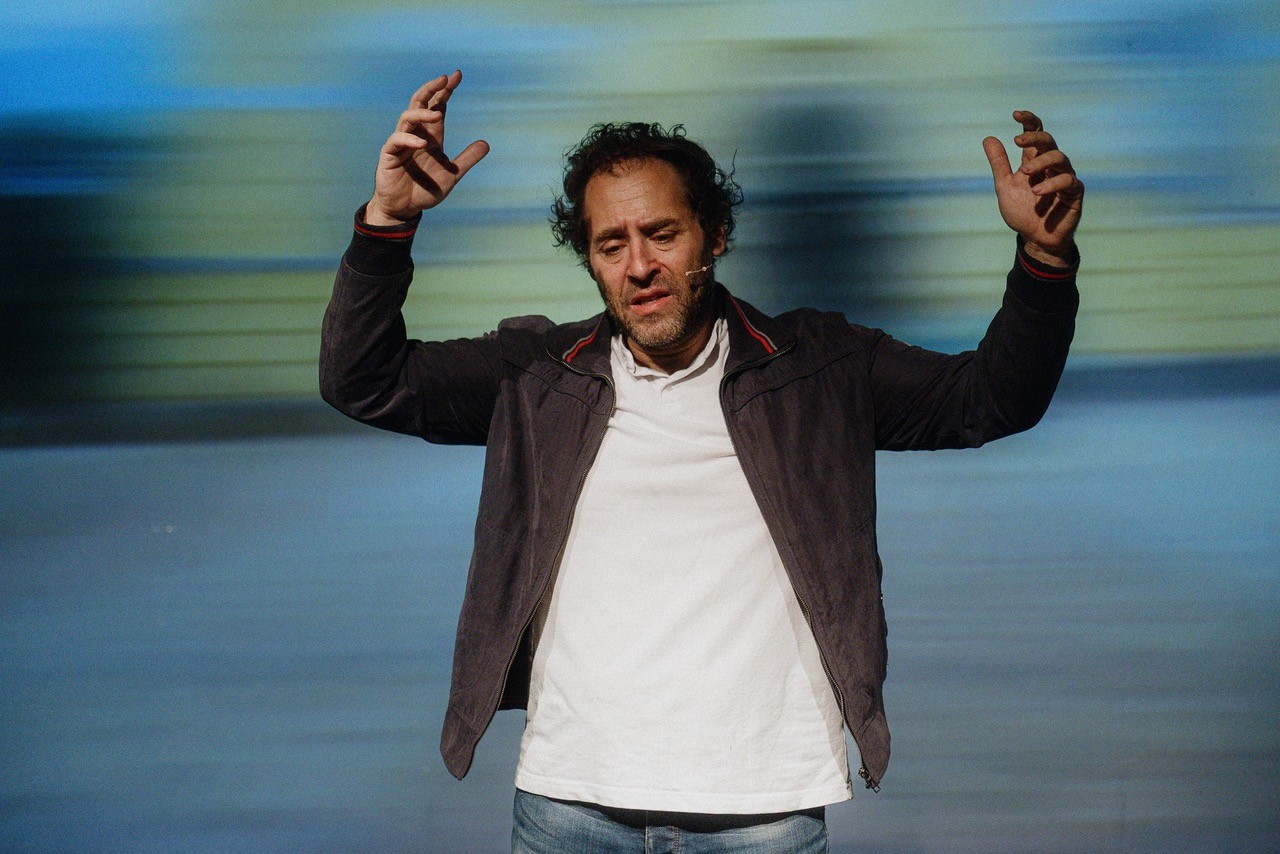
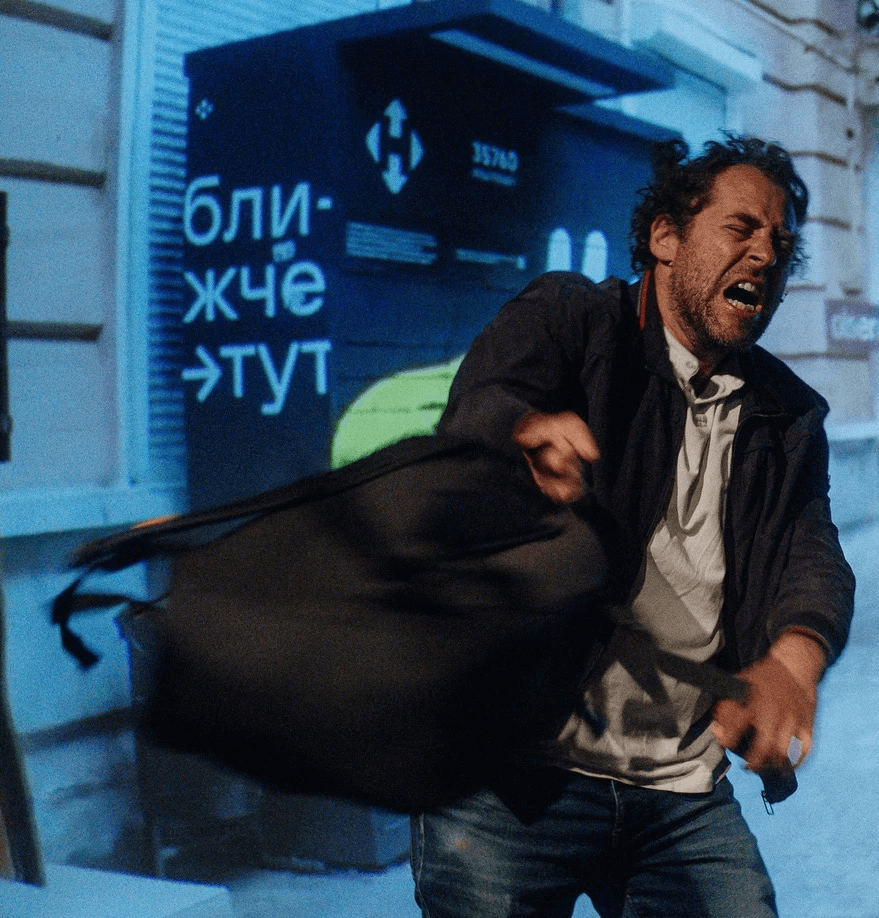
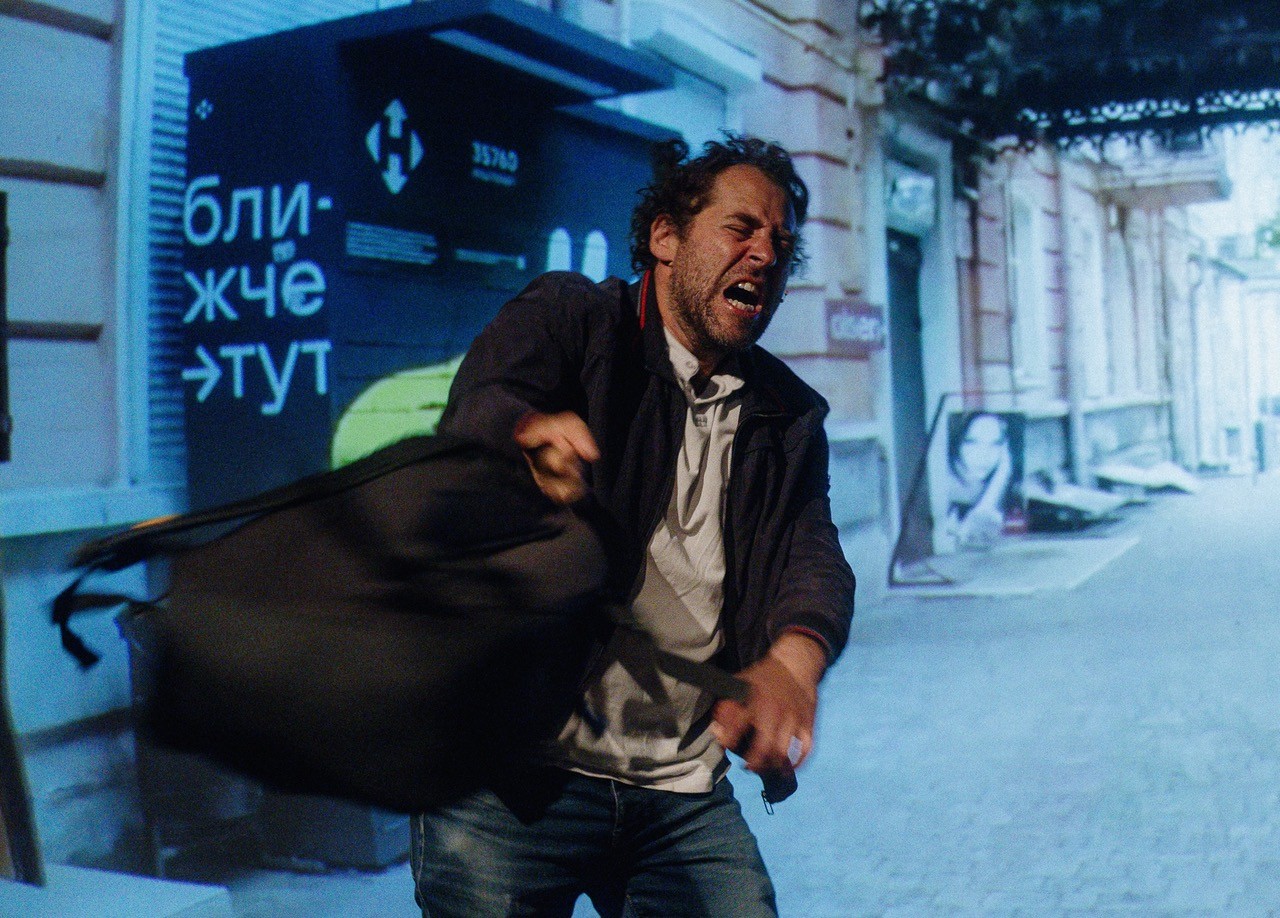
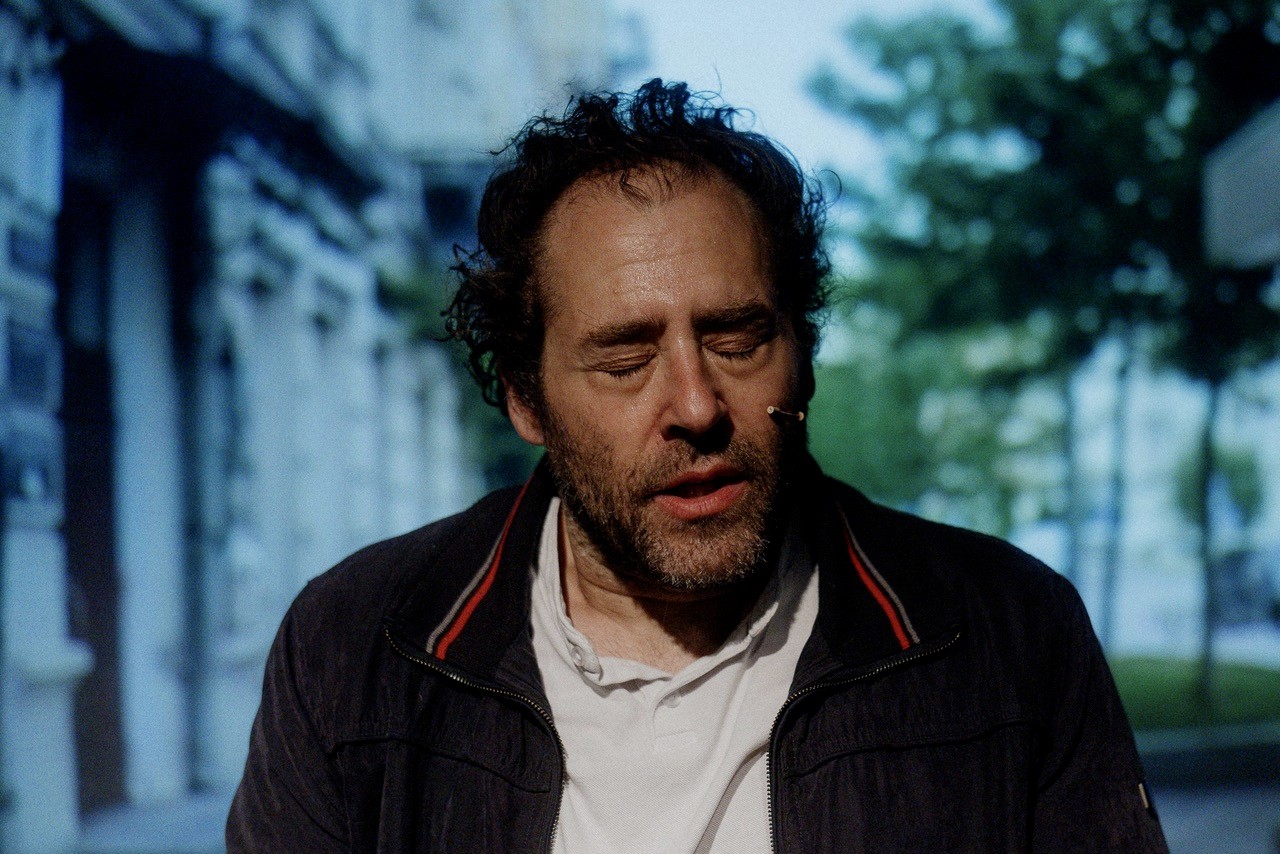
Projected directly onto the stage, Armianovski’s video footage transforms the performance space into Ukraine’s historic capital. Always in dialogue with the projected footage, Rubenfeld walks, engages, stops, and reacts to this immaterial Kyiv, dually pushing back against and giving into the streets, protests, and people as both spectator and participant; absent and present; the spectator and the observed. 

Projected directly onto the stage, Armianovski’s video footage transforms the performance space into Ukraine’s historic capital. Always in dialogue with the projected footage, Rubenfeld walks, engages, stops, and reacts to this immaterial Kyiv, dually pushing back against and giving into the streets, protests, and people as both spectator and participant; absent and present; the spectator and the observed. 

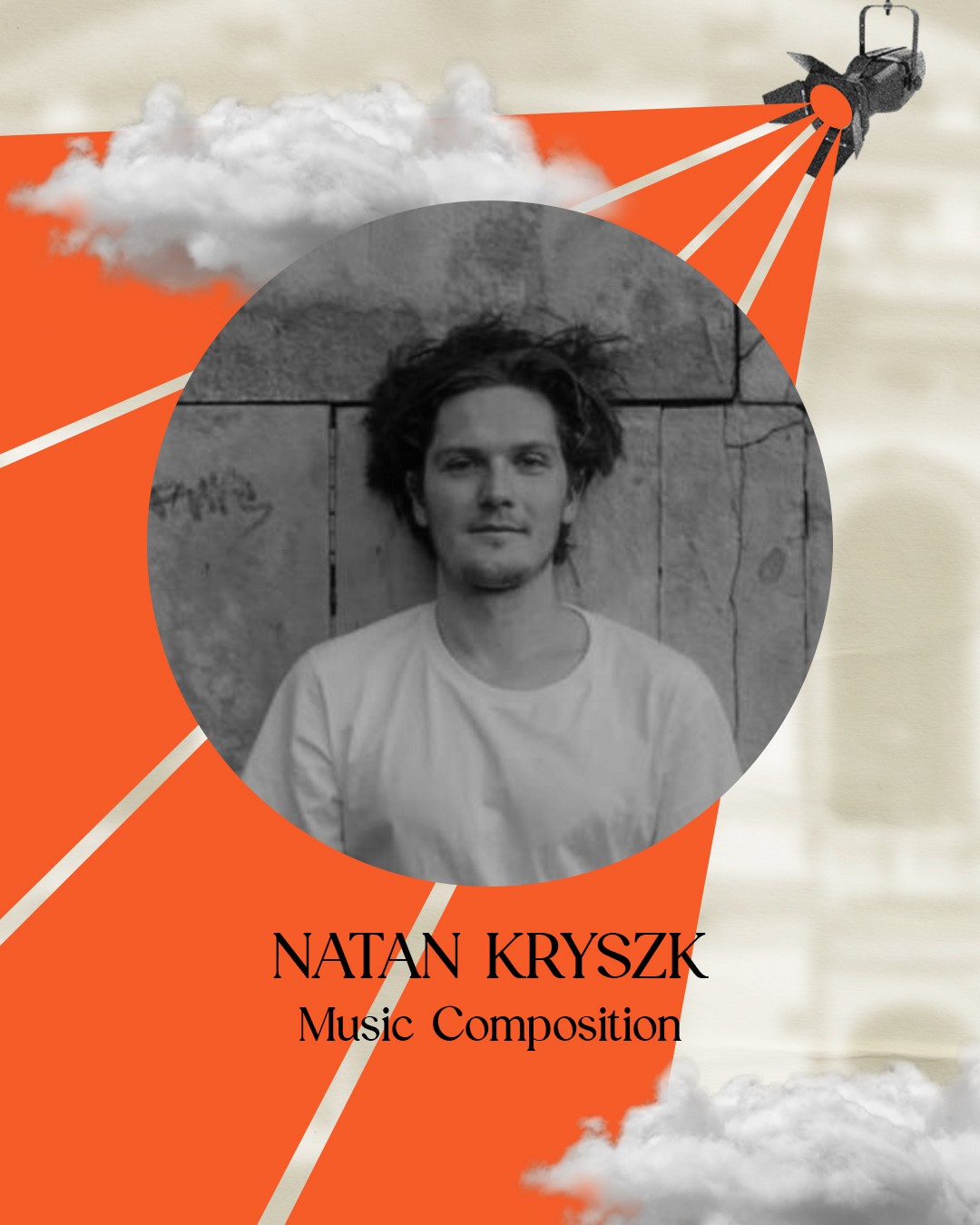
With music and sound design from Warsaw-based musician Natan Kryszk, the show’s soundscape uniquely supports the emotional architecture of the show, creating a score that is immersive, sensitive, and deeply textural in its response to, and interaction with, the historical realities of Russian aggression and the danger of political purity. 

With music and sound design from Warsaw-based musician Natan Kryszk, the show’s soundscape uniquely supports the emotional architecture of the show, creating a score that is immersive, sensitive, and deeply textural in its response to, and interaction with, the historical realities of Russian aggression and the danger of political purity. 

Characterised by Armianovsk’s lived experiences of exile, protest, and war, political violence ,and the flux nature of time itself, If I Had A Gun, I’d Take Them All Down endows a magical quality into Rubenfeld’s performance - he is both in Kyiv, and in Scotland, a truth-seeking time and space traveler moving between the upheavals, injustices, and folds of history, humanity, video, colour, speech, and memory. 

Characterised by Armianovsk’s lived experiences of exile, protest, and war, political violence ,and the flux nature of time itself, If I Had A Gun, I’d Take Them All Down endows a magical quality into Rubenfeld’s performance - he is both in Kyiv, and in Scotland, a truth-seeking time and space traveler moving between the upheavals, injustices, and folds of history, humanity, video, colour, speech, and memory. 

Previous praise for If I Had A Gun, I’d Take Them All Down

Previous praise for If I Had A Gun, I’d Take Them All Down

“Rubenfeld’s performance is extraordinary…  a compelling journey through space and time that is dynamic, personal, and highly moving.” - European Stages

“A disturbing and unexpected staging that brings history, memory, and the present into sharp theatrical focus.” - Thomas Irmer, Theatre der Zeit

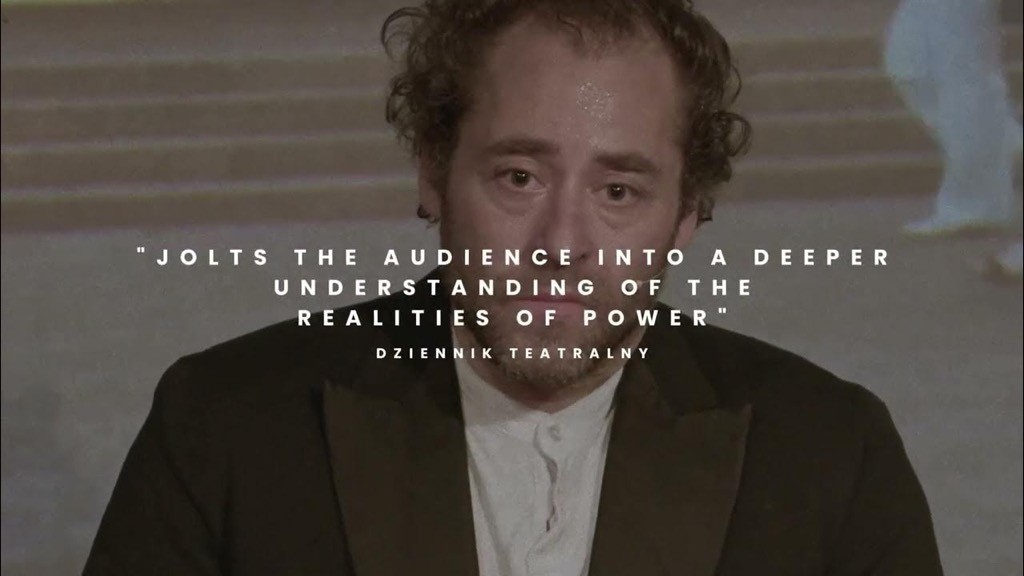
“A rare intellectual attempt to jolt the audience into a deeper understanding of the current realities of power.” - Dziennik Teatralny

“A raw and unflinching meditation on Ukraine’s struggle with cyclical violence and Russian aggression.” - FestivALT Program Description

“Rubenfeld’s performance is extraordinary…  a compelling journey through space and time that is dynamic, personal, and highly moving.” - European Stages

“A disturbing and unexpected staging that brings history, memory, and the present into sharp theatrical focus.” - Thomas Irmer, Theatre der Zeit

“A rare intellectual attempt to jolt the audience into a deeper understanding of the current realities of power.” - Dziennik Teatralny

“A raw and unflinching meditation on Ukraine’s struggle with cyclical violence and Russian aggression.” - FestivALT Program Description

Artistic Biographies

Artistic Biographies

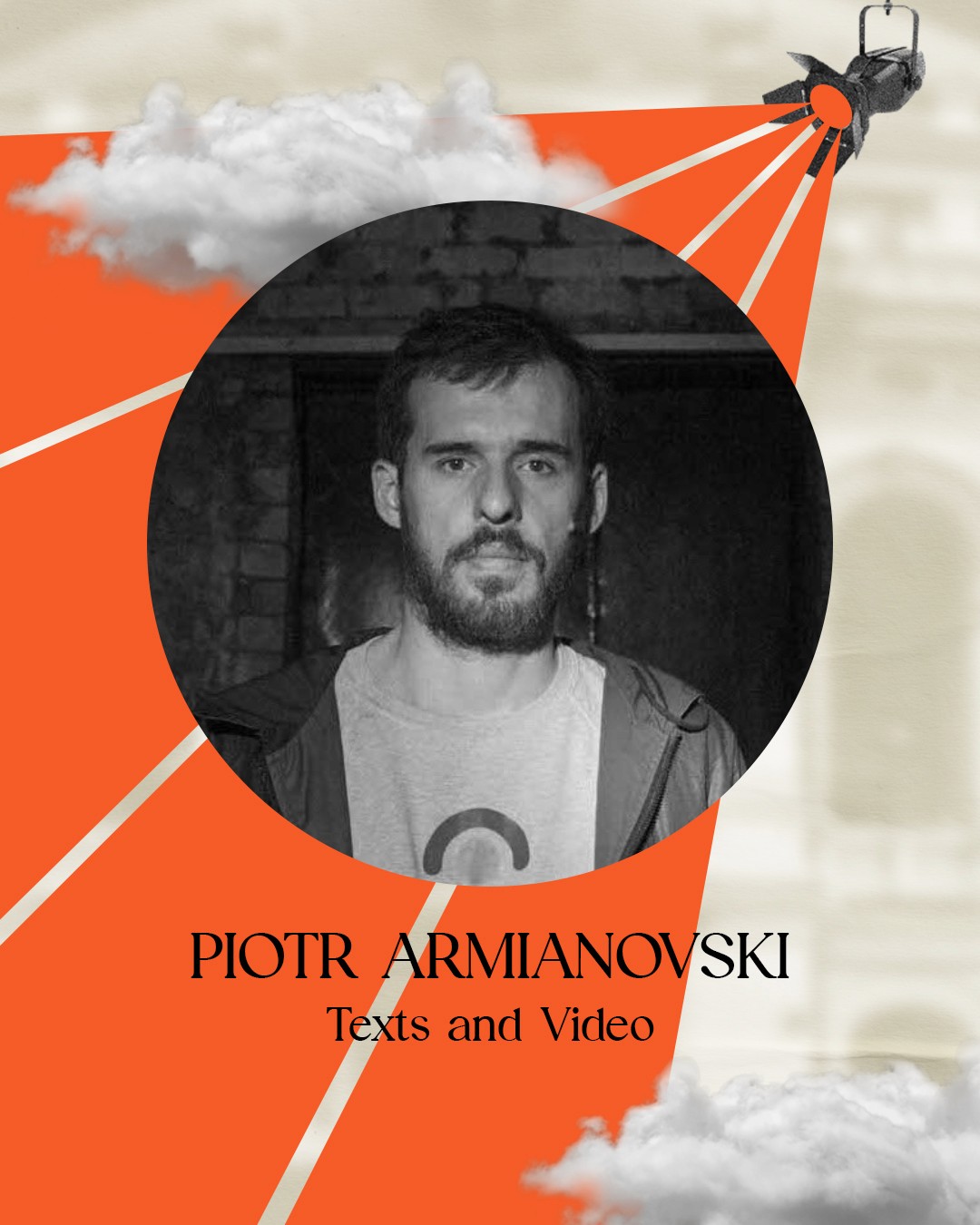
Piotr Armianovski

Piotr Armianovski

is a Ukrainian multidisciplinary artist working across documentary film, performance, and video art. Trained in both computer science and contemporary performance, Armianovski brings a precise, observational sensibility to deeply human subjects — memory, displacement, and the social fabric of everyday life in Ukraine. Raised in Donetsk and later based in Kyiv, Armianovski’s work is shaped by the rupture of war and the loss of his home city. His films and performances examine how individuals navigate political upheaval, trauma, and the shifting meanings of “home.” His acclaimed works, including Me and Mariupol and A Balance of Sadness and Joy, blend personal testimony with documentary realism, creating intimate portraits of places and people caught between destruction and resilience.

Armianovski has exhibited widely, including a 2023 solo exhibition History of Relations at the PinchukArtCentre, and has participated in major performance and video art programs across Ukraine and Europe. He is a recipient of the MUHi Special Prize for emerging Ukrainian artists and the Gaude Polonia scholarship from Poland’s Ministry of Culture.

Today, Armianovski continues to explore the intersections of memory, political reality, and human vulnerability, using the body, the camera, and immersive forms to ask how personal stories survive in times of collective crisis.

is a Ukrainian multidisciplinary artist working across documentary film, performance, and video art. Trained in both computer science and contemporary performance, Armianovski brings a precise, observational sensibility to deeply human subjects — memory, displacement, and the social fabric of everyday life in Ukraine. Raised in Donetsk and later based in Kyiv, Armianovski’s work is shaped by the rupture of war and the loss of his home city. His films and performances examine how individuals navigate political upheaval, trauma, and the shifting meanings of “home.” His acclaimed works, including Me and Mariupol and A Balance of Sadness and Joy, blend personal testimony with documentary realism, creating intimate portraits of places and people caught between destruction and resilience.

Armianovski has exhibited widely, including a 2023 solo exhibition History of Relations at the PinchukArtCentre, and has participated in major performance and video art programs across Ukraine and Europe. He is a recipient of the MUHi Special Prize for emerging Ukrainian artists and the Gaude Polonia scholarship from Poland’s Ministry of Culture.

Today, Armianovski continues to explore the intersections of memory, political reality, and human vulnerability, using the body, the camera, and immersive forms to ask how personal stories survive in times of collective crisis.

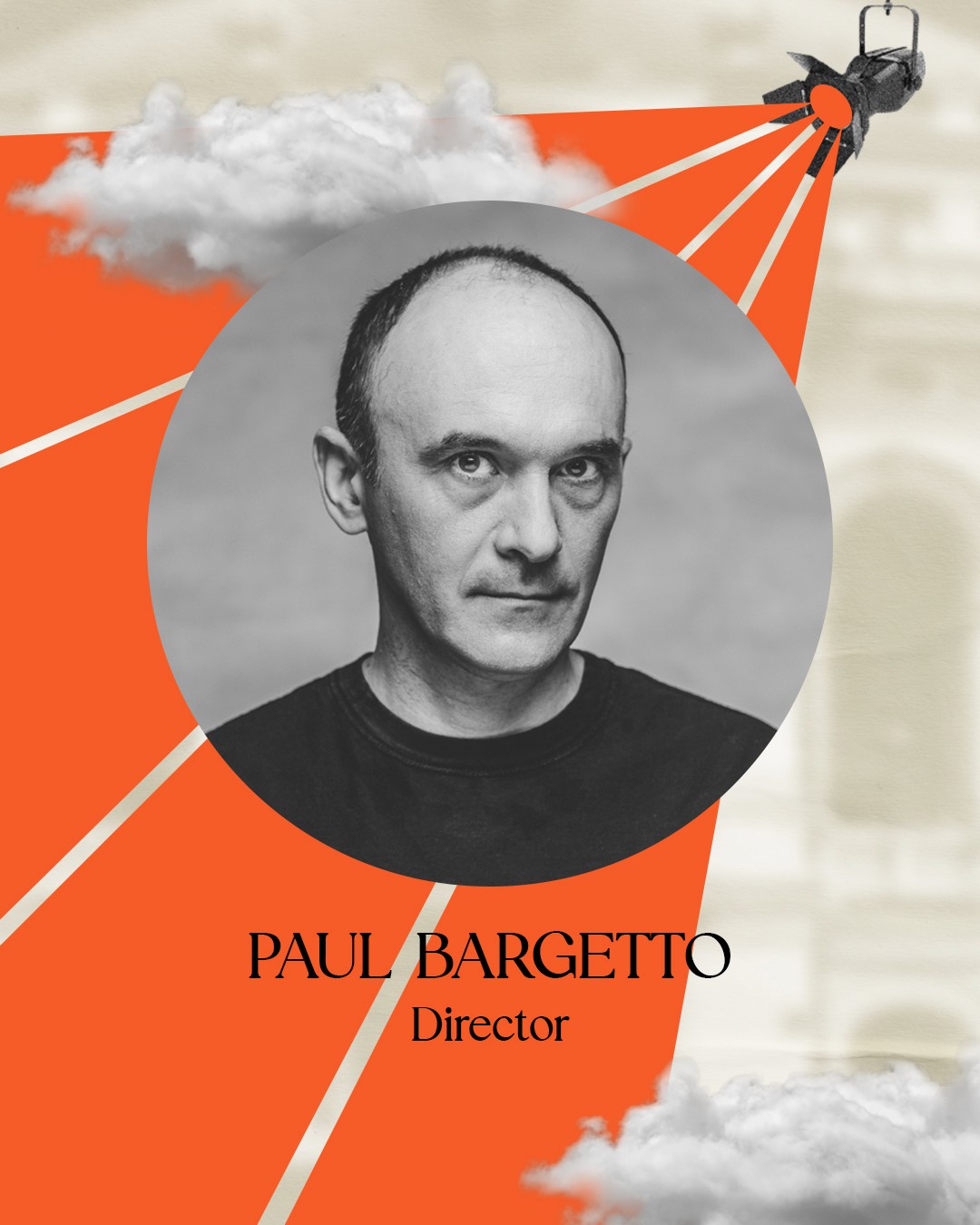
Paul Bargetto

Paul Bargetto

is an American theatre and film director based in Warsaw, whose work explores the intersections of memory, narrative, and political reality through bold, contemporary staging. With a background in documentary theatre and devised performance, Bargetto has built an international career creating work that blends rigorous research with emotionally charged storytelling. He also works extensively as a dramaturg in the field of contemporary dance. A graduate of Columbia University and long-time contributor to New York’s downtown theatre scene, Bargetto founded East River Commedia, a company known for its innovative, socially engaged productions and the undergroundzero festival, a festival of independent live arts. His work has toured internationally and has been presented in major festivals and institutions across Europe and the United States. Since relocating to Warsaw, he has become an important voice in the city’s independent arts landscape, directing new works, cross-disciplinary performances, and collaborations that bridge American and Central European traditions.

Bargetto’s artistic practice is grounded in a commitment to exploring the human consequences of political structures, historical trauma, and collective memory. He frequently works with documentary material, interviews, and archival sources, shaping them into performances that are both analytically sharp and deeply personal. His projects often foreground marginalized voices and challenge audiences to encounter contemporary realities through an intimate, human scale. Alongside his directing work, Bargetto has played a significant role in the development of Warsaw’s international performance community. Since the start of the full scale invasion of Ukraine, he has been an active and vocal supporter of Ukrainian culture and artists engaging in numerous artistic collaborations and humanitarian efforts. He has also led workshops and laboratories for emerging and international artists, emphasizing collaborative creation and interdisciplinary exploration. Today, Paul Bargetto continues to develop new theatre and film projects that examine identity, conflict, and the stories societies choose to remember. Working from Warsaw, he is committed to fostering transnational collaboration and using performance as a form of cultural inquiry — a way of understanding the past while speaking urgently to the present.

is an American theatre and film director based in Warsaw, whose work explores the intersections of memory, narrative, and political reality through bold, contemporary staging. With a background in documentary theatre and devised performance, Bargetto has built an international career creating work that blends rigorous research with emotionally charged storytelling. He also works extensively as a dramaturg in the field of contemporary dance. A graduate of Columbia University and long-time contributor to New York’s downtown theatre scene, Bargetto founded East River Commedia, a company known for its innovative, socially engaged productions and the undergroundzero festival, a festival of independent live arts. His work has toured internationally and has been presented in major festivals and institutions across Europe and the United States. Since relocating to Warsaw, he has become an important voice in the city’s independent arts landscape, directing new works, cross-disciplinary performances, and collaborations that bridge American and Central European traditions.

Bargetto’s artistic practice is grounded in a commitment to exploring the human consequences of political structures, historical trauma, and collective memory. He frequently works with documentary material, interviews, and archival sources, shaping them into performances that are both analytically sharp and deeply personal. His projects often foreground marginalized voices and challenge audiences to encounter contemporary realities through an intimate, human scale. Alongside his directing work, Bargetto has played a significant role in the development of Warsaw’s international performance community. Since the start of the full scale invasion of Ukraine, he has been an active and vocal supporter of Ukrainian culture and artists engaging in numerous artistic collaborations and humanitarian efforts. He has also led workshops and laboratories for emerging and international artists, emphasizing collaborative creation and interdisciplinary exploration. Today, Paul Bargetto continues to develop new theatre and film projects that examine identity, conflict, and the stories societies choose to remember. Working from Warsaw, he is committed to fostering transnational collaboration and using performance as a form of cultural inquiry — a way of understanding the past while speaking urgently to the present.

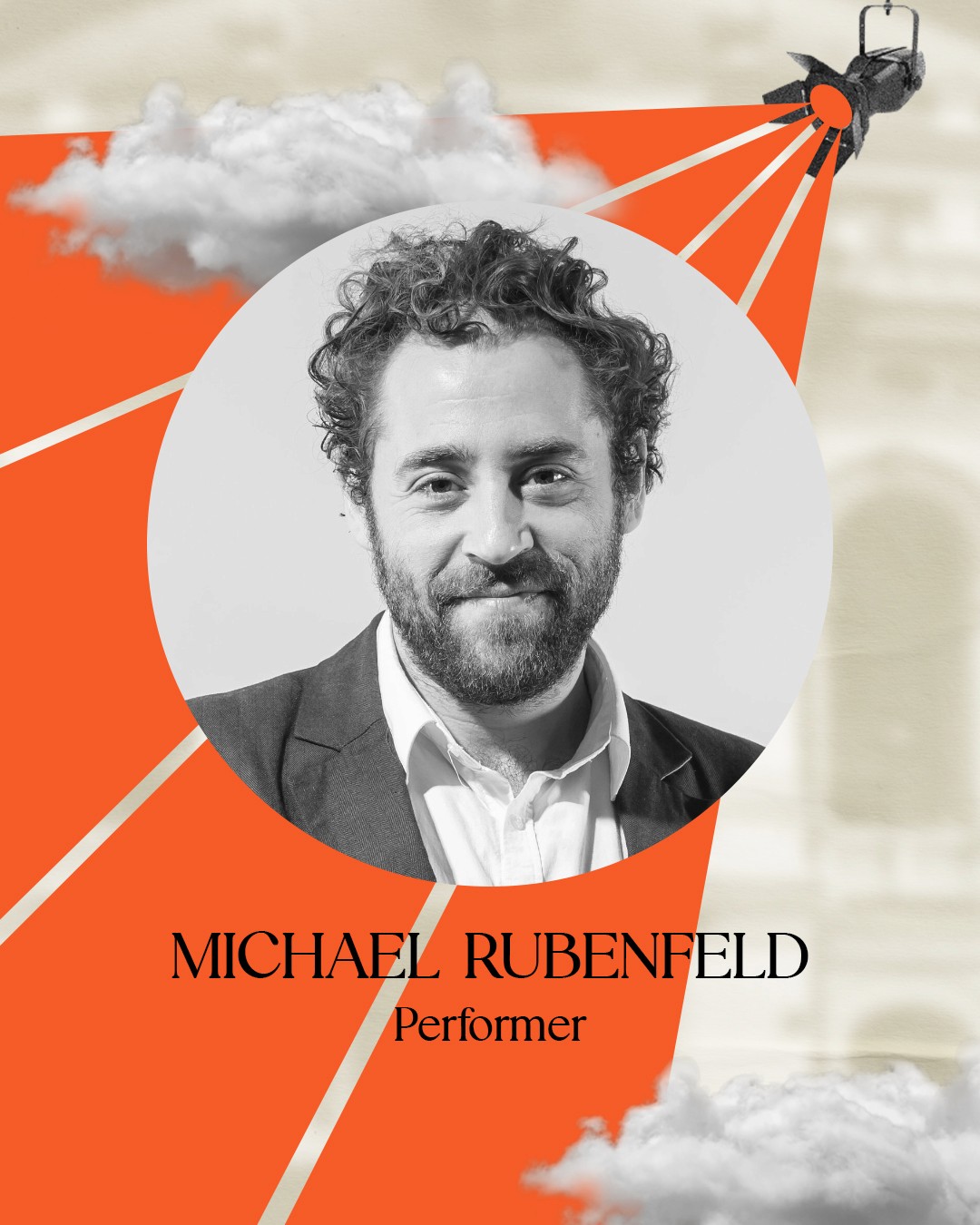
Michael Rubenfeld

Michael Rubenfeld

is a Canadian-Polish theatre maker, director, performer, and cultural producer based in Warsaw, whose work investigates memory, identity, and the complexities of intergenerational narrative. Known for blending documentary practice with theatrical innovation, Rubenfeld creates intimate, emotionally resonant performances that challenge audiences to confront history and its living echoes.

Born in Winnipeg and trained at the National Theatre School of Canada, Rubenfeld began his career in Toronto’s independent theatre movement, where he quickly became a central figure in the development of contemporary performance. As co-artistic director of SummerWorks, Canada’s largest juried performance festival, he helped shape a new generation of artists by fostering experimental, political, and cross-disciplinary work. His leadership expanded the festival’s profile both nationally and internationally, firmly establishing him as a key cultural curator and advocate for emerging voices.

Since relocating to Warsaw, Rubenfeld has increasingly focused on projects that explore Jewish-Polish history, diasporic memory, trauma, and the lingering legacies of the 20th century. His performances combine personal storytelling with broader socio-historical inquiry, often drawing from archival materials, family histories, and on-the-ground research. Works such as We Keep Coming Back reflect Rubenfeld’s uniquely hybrid approach — part theatre, part documentary investigation — that examines how individuals navigate collective pasts.

In Poland, Rubenfeld has become a significant connector between artistic communities, developing partnerships between Canadian, Polish, and European institutions. His projects frequently center around themes of belonging,

the construction of identity, and the negotiation of cultural inheritance. Through performance, writing, and producing, he builds spaces where difficult histories can be engaged with empathy, nuance, and a commitment to dialogue.

Rubenfeld’s work has been presented internationally across Europe and North America, earning recognition for its honesty, formal innovation, and political sensitivity. Whether directing, performing, or producing, he remains dedicated to using theatre as a tool for cultural inquiry — a place where personal story meets collective memory, and where art becomes a bridge between fractured pasts and contested presents.

is a Canadian-Polish theatre maker, director, performer, and cultural producer based in Warsaw, whose work investigates memory, identity, and the complexities of intergenerational narrative. Known for blending documentary practice with theatrical innovation, Rubenfeld creates intimate, emotionally resonant performances that challenge audiences to confront history and its living echoes.

Born in Winnipeg and trained at the National Theatre School of Canada, Rubenfeld began his career in Toronto’s independent theatre movement, where he quickly became a central figure in the development of contemporary performance. As co-artistic director of SummerWorks, Canada’s largest juried performance festival, he helped shape a new generation of artists by fostering experimental, political, and cross-disciplinary work. His leadership expanded the festival’s profile both nationally and internationally, firmly establishing him as a key cultural curator and advocate for emerging voices.

Since relocating to Warsaw, Rubenfeld has increasingly focused on projects that explore Jewish-Polish history, diasporic memory, trauma, and the lingering legacies of the 20th century. His performances combine personal storytelling with broader socio-historical inquiry, often drawing from archival materials, family histories, and on-the-ground research. Works such as We Keep Coming Back reflect Rubenfeld’s uniquely hybrid approach — part theatre, part documentary investigation — that examines how individuals navigate collective pasts.

In Poland, Rubenfeld has become a significant connector between artistic communities, developing partnerships between Canadian, Polish, and European institutions. His projects frequently center around themes of belonging,

the construction of identity, and the negotiation of cultural inheritance. Through performance, writing, and producing, he builds spaces where difficult histories can be engaged with empathy, nuance, and a commitment to dialogue.

Rubenfeld’s work has been presented internationally across Europe and North America, earning recognition for its honesty, formal innovation, and political sensitivity. Whether directing, performing, or producing, he remains dedicated to using theatre as a tool for cultural inquiry — a place where personal story meets collective memory, and where art becomes a bridge between fractured pasts and contested presents.

Natan Kryszk

Natan Kryszk

is a Warsaw-based musician and visual artist whose work moves fluidly between sound, image, and narrative atmosphere. Drawing on traditions of experimental music, ambient composition, and conceptual visual art, Kryszk creates immersive environments that operate at the edges of perception — spaces where sound functions like memory, and images unfold with the rhythm of inner experience.

Raised in Poland and working across Europe, Kryszk began as a guitarist and composer before expanding into electronic music, sound design, and visual production. His practice is driven by a fascination with texture — sonic and material — weaving field recordings, analog instrumentation, and digital synthesis into layered, emotionally charged soundscapes. Whether performing live or composing for theatre, film, and installation, Kryszk’s music is marked by a sensitivity to atmosphere, place, and the unspoken emotional currents that run beneath any story.


As a visual artist, Kryszk works with photography, projection, digital media, and scenographic installations. His visual language often mirrors the qualities of his music: subdued, contemplative, and quietly evocative. His images explore themes of time, disappearance, transformation, and the fragile relationship between the human body and its environment. The interplay between light and shadow — between what is seen and what is withheld — forms a central metaphor in his work.

Kryszk collaborates widely with directors, choreographers, theatre companies, and interdisciplinary ensembles. His compositions have been featured in contemporary performance projects in Warsaw and beyond, where his ability to translate emotional and dramaturgical ideas into sound has made him a sought-after collaborator. In his own concerts and audiovisual pieces, he combines live performance with projected imagery, creating multi-sensory events that blur the boundaries between concert, installation, and cinematic experience.

At the core of Kryszk’s practice is a commitment to exploring how sound and image can shape perception, memory, and the emotional architecture of a moment. Rooted in Warsaw but creatively open to the world, he continues to develop work that invites audiences into subtle, intimate, and deeply atmospheric encounters.

is a Warsaw-based musician and visual artist whose work moves fluidly between sound, image, and narrative atmosphere. Drawing on traditions of experimental music, ambient composition, and conceptual visual art, Kryszk creates immersive environments that operate at the edges of perception — spaces where sound functions like memory, and images unfold with the rhythm of inner experience.

Raised in Poland and working across Europe, Kryszk began as a guitarist and composer before expanding into electronic music, sound design, and visual production. His practice is driven by a fascination with texture — sonic and material — weaving field recordings, analog instrumentation, and digital synthesis into layered, emotionally charged soundscapes. Whether performing live or composing for theatre, film, and installation, Kryszk’s music is marked by a sensitivity to atmosphere, place, and the unspoken emotional currents that run beneath any story.

As a visual artist, Kryszk works with photography, projection, digital media, and scenographic installations. His visual language often mirrors the qualities of his music: subdued, contemplative, and quietly evocative. His images explore themes of time, disappearance, transformation, and the fragile relationship between the human body and its environment. The interplay between light and shadow — between what is seen and what is withheld — forms a central metaphor in his work.

Kryszk collaborates widely with directors, choreographers, theatre companies, and interdisciplinary ensembles. His compositions have been featured in contemporary performance projects in Warsaw and beyond, where his ability to translate emotional and dramaturgical ideas into sound has made him a sought-after collaborator. In his own concerts and audiovisual pieces, he combines live performance with projected imagery, creating multi-sensory events that blur the boundaries between concert, installation, and cinematic experience.

At the core of Kryszk’s practice is a commitment to exploring how sound and image can shape perception, memory, and the emotional architecture of a moment. Rooted in Warsaw but creatively open to the world, he continues to develop work that invites audiences into subtle, intimate, and deeply atmospheric encounters.

Producing Companies

Producing Companies

Fundacja Teatru Trans-Atlantyk is a Warsaw-based independent arts foundation dedicated to creating innovative, socially engaged theatre, performance, and interdisciplinary projects. Founded and developed by international artists and producers from Poland, the United States, New Zealand, Ukraine, and Europe, the foundation develops work that bridges cultures, explores complex histories, and amplifies underrepresented voices. Through collaborations with local and international partners, Teatr Trans-Atlantyk supports new writing, experimental forms, and documentary-based performance, with a commitment to using art as a space for dialogue, reflection, and cultural exchange.

Fundacja Teatru Trans-Atlantyk is a Warsaw-based independent arts foundation dedicated to creating innovative, socially engaged theatre, performance, and interdisciplinary projects. Founded and developed by international artists and producers from Poland, the United States, New Zealand, Ukraine, and Europe, the foundation develops work that bridges cultures, explores complex histories, and amplifies underrepresented voices. Through collaborations with local and international partners, Teatr Trans-Atlantyk supports new writing, experimental forms, and documentary-based performance, with a commitment to using art as a space for dialogue, reflection, and cultural exchange.

FestivALT is a Kraków-based independent arts organization and cultural platform focused on contemporary Jewish art, critical memory work, and socially engaged performance. Founded by artists and activists, FestivALT operates at the intersection of art, research, and public intervention, examining how Jewish history, heritage, and identity function in today’s Poland. Through performances, installations, guided actions, and community-based projects, FestivALT challenges dominant narratives, confronts difficult histories, and fosters dialogue around Jewish life, representation, and cultural responsibility. Their work has gained international recognition for its innovative approach to heritage, ethics, and the politics of memory.

FestivALT is a Kraków-based independent arts organization and cultural platform focused on contemporary Jewish art, critical memory work, and socially engaged performance. Founded by artists and activists, FestivALT operates at the intersection of art, research, and public intervention, examining how Jewish history, heritage, and identity function in today’s Poland. Through performances, installations, guided actions, and community-based projects, FestivALT challenges dominant narratives, confronts difficult histories, and fosters dialogue around Jewish life, representation, and cultural responsibility. Their work has gained international recognition for its innovative approach to heritage, ethics, and the politics of memory.

Copyright - © 2025 Fundacja Teatru Trans-Atlantyk